Ashanti Compound Houses
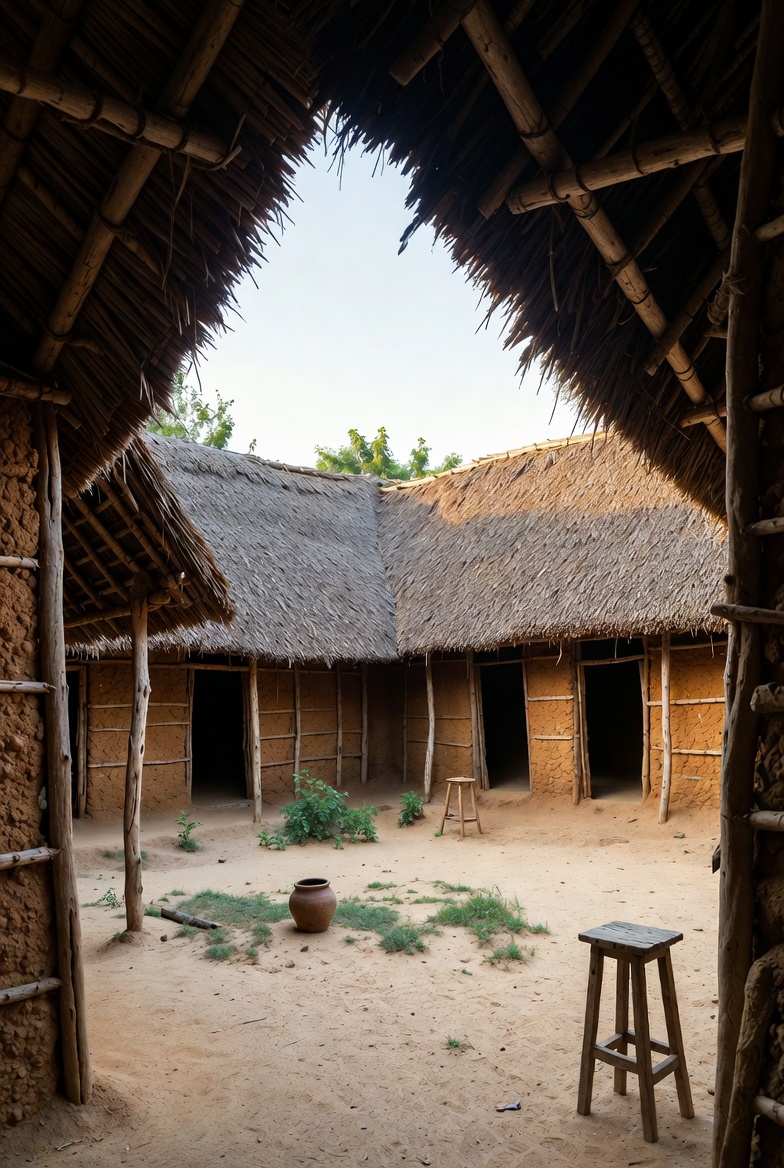
The famous Ashanti compound houses feature interconnected rooms surrounding a central courtyard, promoting community interaction and natural ventilation.
Wisdom in Ancient Building Techniques
Explore the rich heritage of Ghana's indigenous architectural styles that have stood the test of time
Traditional Ghanaian architecture represents centuries of accumulated wisdom, responding to climate, culture, and community needs. These designs demonstrate sustainable practices long before the term became popular in modern architecture.
The famous Ashanti compound houses feature interconnected rooms surrounding a central courtyard, promoting community interaction and natural ventilation.
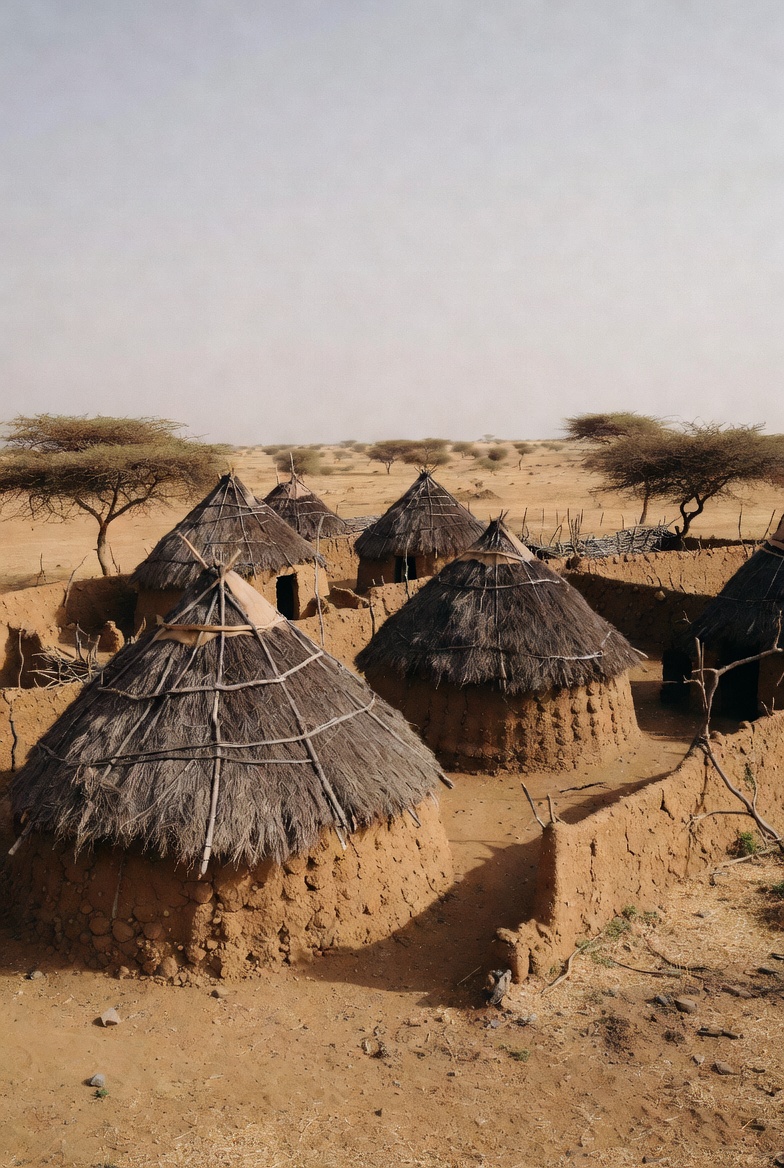
Circular mud huts with conical thatched roofs, designed to withstand the harsh Sahelian climate while providing comfortable living conditions.
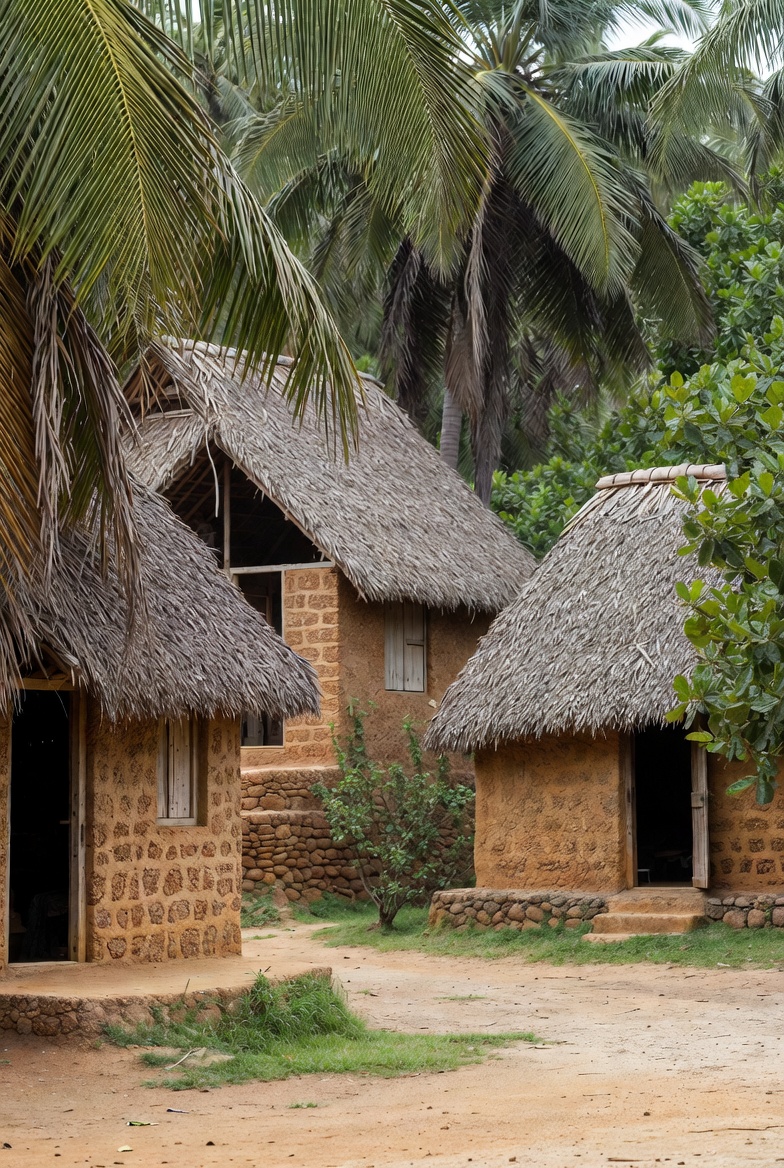
Buildings using a mixture of laterite, clay, and palm fronds, specifically adapted to the humid coastal climate of Ghana.
Early Settlements: Simple earth shelters and thatched huts using locally available materials like wood, mud, and grass.
Ashanti Empire Flourishes: Development of sophisticated compound houses with complex courtyard systems and elaborate decorations.
Colonial Influences: Integration of European architectural elements while maintaining traditional climate-responsive features.
Modern Adaptations: Traditional techniques evolve to incorporate modern materials while preserving core design principles.
Ghanaian builders mastered the use of locally available, sustainable materials:
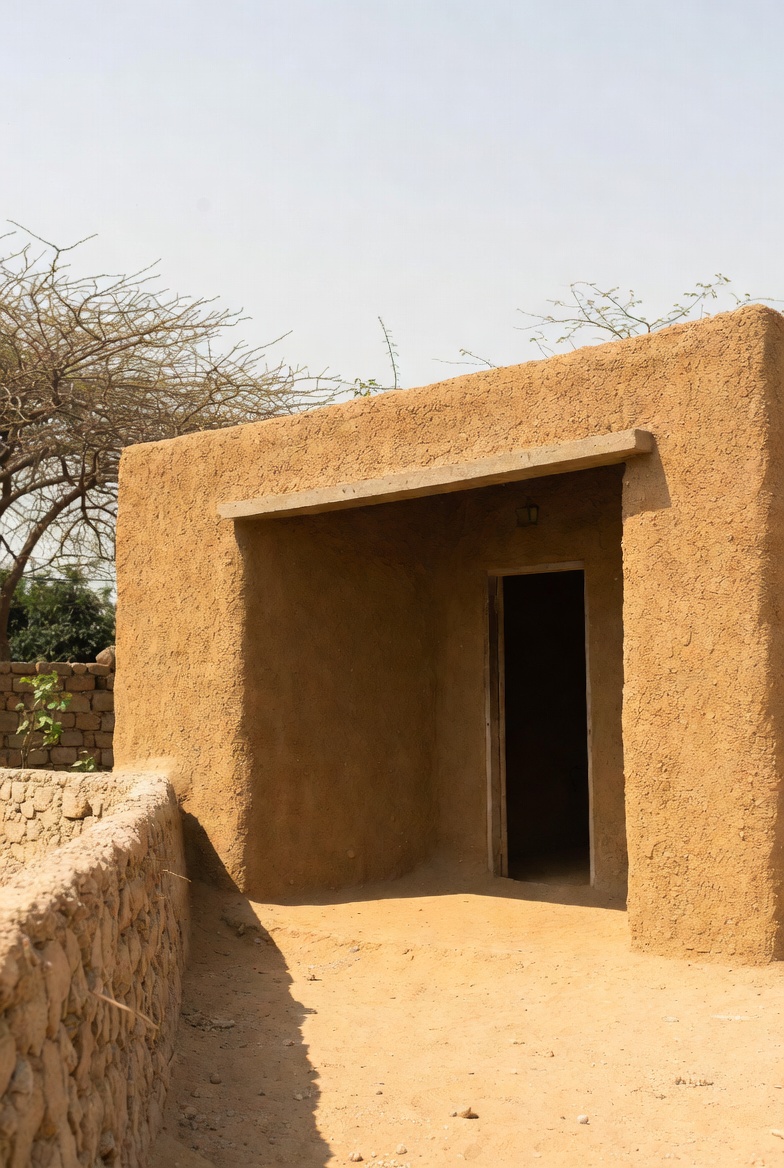
A mixture of clay, sand, and water that provides excellent thermal mass, keeping interiors cool during the day and warm at night.
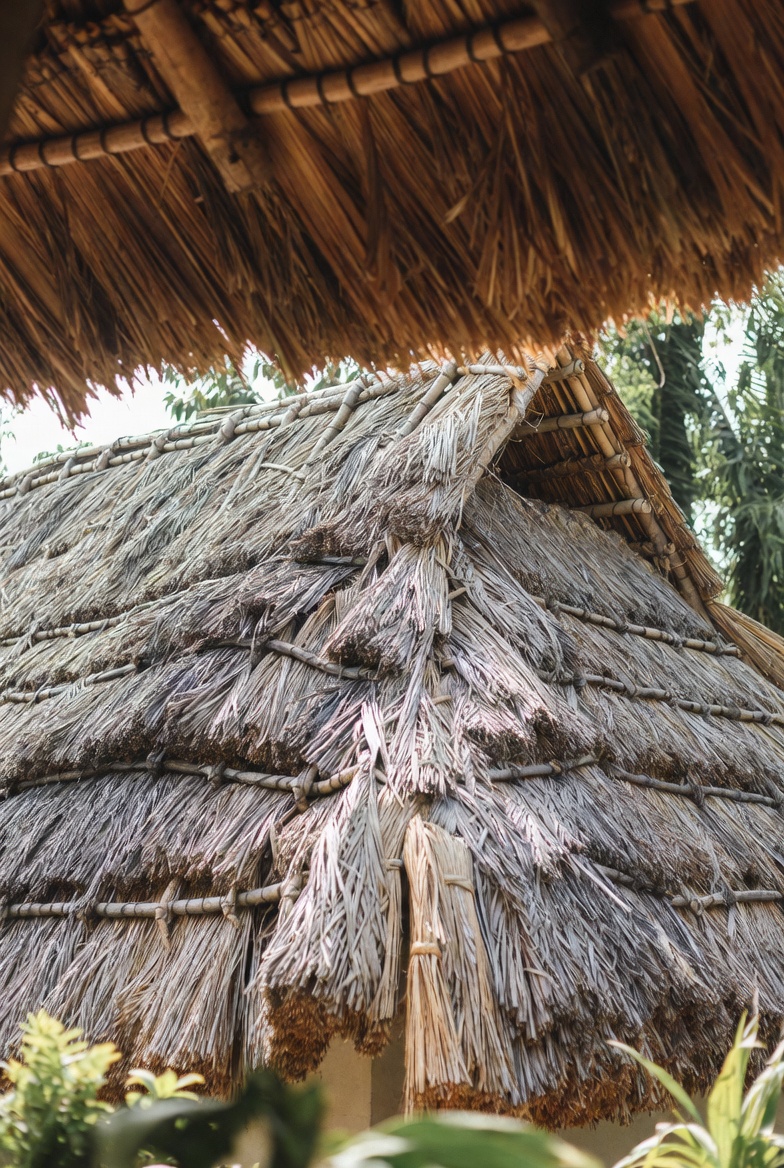
Made from grass, palm fronds, or straw, providing excellent insulation and natural water runoff.
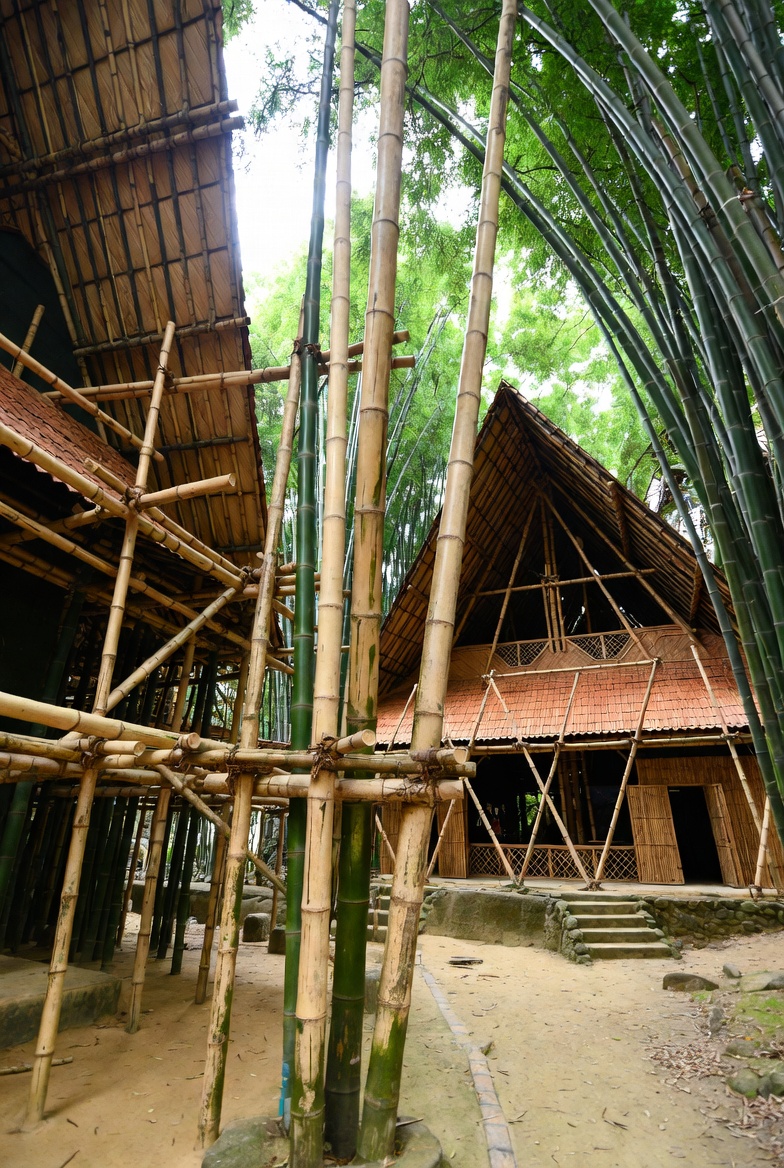
Fast-growing grass used for structural elements, scaffolding, and decorative features.
Ghana's diverse geography and cultures gave rise to distinct architectural styles across different regions:
Signature Style: Courtyard compound houses with steeply pitched thatched roofs
Key Features:
Signature Style: Round mud huts with conical thatched roofs
Key Features:
Signature Style: Swish construction with elevated foundations
Key Features:
| Aspect | Traditional Methods | Modern Methods |
|---|---|---|
| Materials | Local, natural, renewable | Manufactured, often imported |
| Energy Consumption | Passive cooling/heating | Active mechanical systems |
| Construction Time | Seasonal, community-based | Year-round, contractor-based |
| Carbon Footprint | Low to zero | High |
| Cultural Relevance | High - reflects local identity | Variable - often globalized |
| Maintenance | Regular but simple | Complex, specialized |
Click on the numbered points to learn about different features:
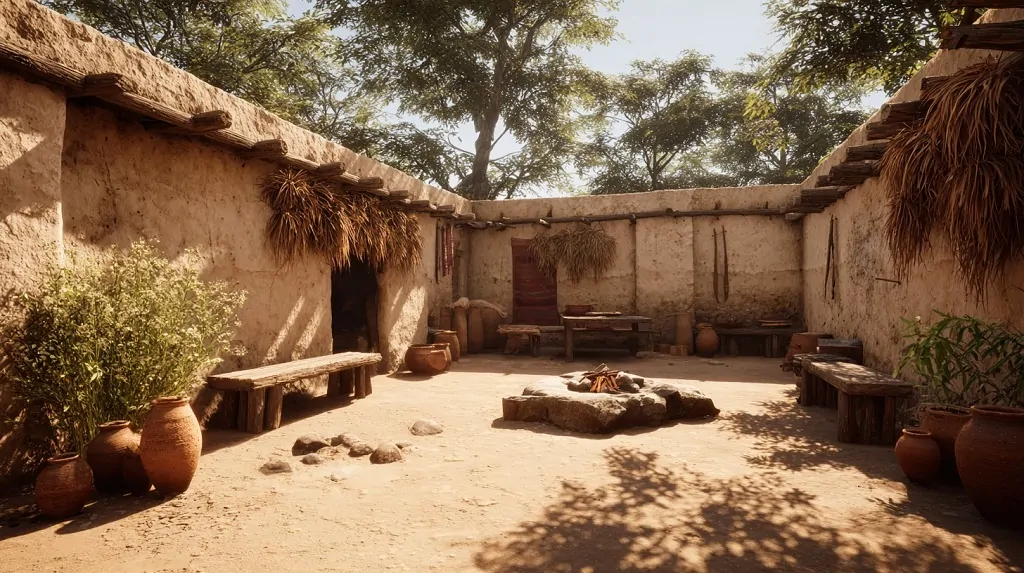
Open space for social gatherings, cooking, and children's play. Provides natural light and ventilation.
Made from locally-sourced grass, provides excellent insulation and natural cooling.
Thick compressed earth walls that provide thermal mass, keeping interiors cool.
Shaded outdoor space for relaxation and social interaction during hot days.
Listen to a traditional song sung during communal house building in Northern Ghana:
This song was traditionally sung while preparing building materials, creating rhythm and coordination among workers.
Recording courtesy of Ghana Cultural Archives
Several traditional architectural sites in Ghana are recognized by UNESCO for their cultural significance:
Contemporary architects are integrating traditional techniques into modern designs: